Choosing plant-based meals can quickly become overwhelming as you sort through conflicting information about what is allowed and what should be avoided. Misconceptions linger, sometimes because they seem to have scientific backing or come from trusted sources. Sensational headlines often add to the confusion, raising concerns about getting enough nutrients or managing grocery costs. By breaking down seven common myths related to plant-based eating, this guide sheds light on the facts supported by current research. You will find straightforward explanations that clear up the confusion, along with easy tips you can use immediately to make your transition to plant-based meals more enjoyable and less stressful.
Myth 1: Plants Can’t Provide Enough Protein
Lots of folks think animal products are the only reliable source of protein, but research shows a variety of beans, grains, nuts, and seeds can easily meet daily needs. Protein builds muscle, supports the immune system, and keeps hair, skin, and nails healthy. Skipping animal foods doesn’t force you into a deficiency if you mix and match plant sources.
Try adding these protein powerhouses to your plate:
- Black beans: 15g per cooked cup
- Chickpeas: 14.5g per cooked cup
- Lentils: 18g per cooked cup
- Quinoa: 8g per cooked cup
- Tofu: 20g per ½ block
- Almonds: 6g per ounce
If you struggle to reach targets, blend a scoop of pea or brown rice protein into smoothies. Including protein at every meal helps you feel full, so you’ll snack less on empty calories.
Myth 2: You Need Dairy for Calcium
Milk companies have told us for decades that only dairy keeps bones strong. Yet study after study finds that people who get calcium from plants have similar bone density. In fact, high-phytate foods like spinach bind calcium, so they count less than other veggies.
Here’s how plant sources compare:
- Fortified plant milk (soy, almond): 300mg per cup
- Fortified orange juice: 350mg per cup
- Collard greens: 268mg per cooked cup
- Tofu set with calcium sulfate: 250-400mg per half block
- Chia seeds: 179mg per ounce
Try sprinkling sesame seeds on salads and stir-fries or steaming bok choy instead of spinach. If you aren’t hitting 700mg daily from food alone, talk to a dietitian about a supplement.
Myth 3: Plant-Based Diets Are Always Costly
Supermarket ads show kale salads and vegan protein powders with hefty price tags, but rising prices aren’t unavoidable. Bulk bins, frozen veggies, and seasonal produce help keep costs down. Planning meals around staples like rice and beans stretches every dollar.
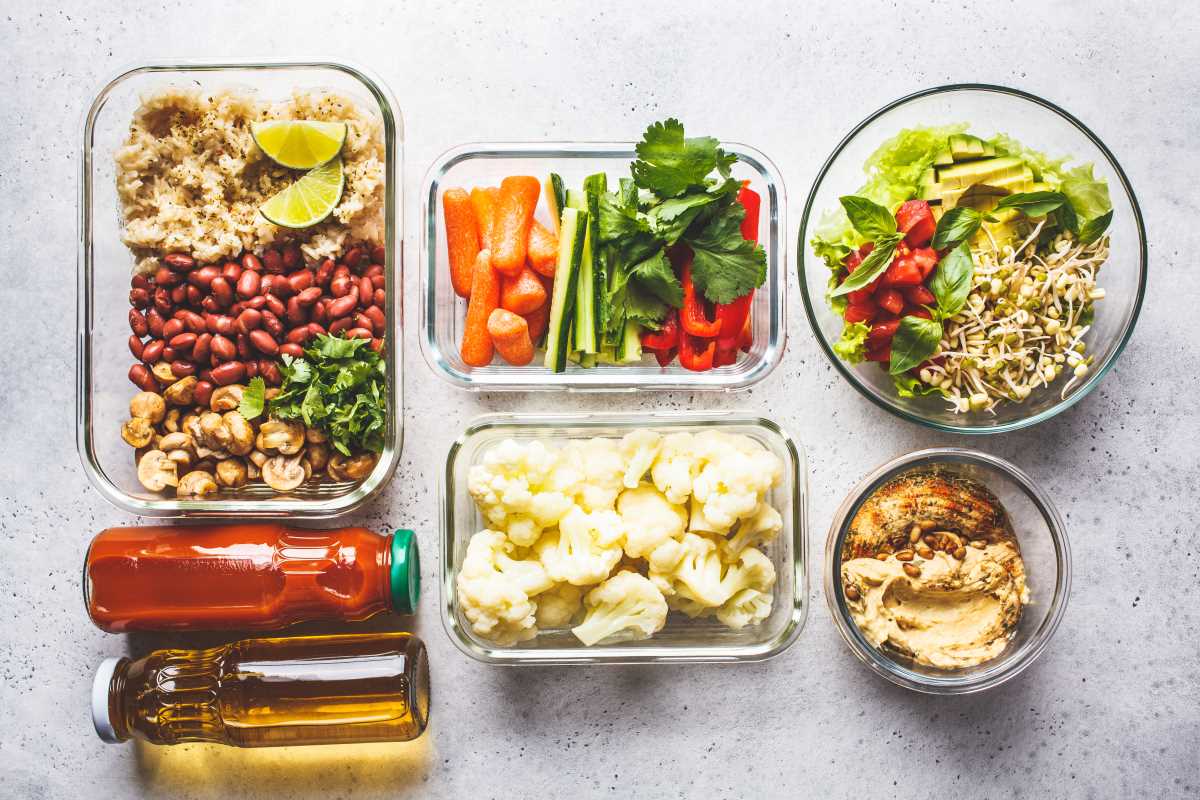
You can cook a week’s worth of bean chili for under ten dollars, freeze individual servings, and grab them on busy nights.
Use grocery apps that alert you to discounts on produce nearing its sell-by date. That wilting eggplant can land in ratatouille for half price. If you shop smart, your food costs can actually drop when you eat more plants.
Myth 4: You Can’t Build Muscle on Plants
Athletes once claimed vegan lifters hit plateaus, but recent trials show that athletes on plant-based protein gains match or surpass those on whey when total protein intake and resistance training stay consistent. Getting enough leucine, an amino acid for muscle growth, is crucial.
Blend pea protein with rice protein to increase leucine levels. Focus workouts on compound moves like squats and bench presses, rest properly, and don’t skip progressive overload. Track your lifts and gradually increase weights.
Myth 5: All Vegan Foods Are Highly Processed
Seeing rows of vegan meats and cheeses might make you think every plant-based meal goes through a factory. In reality, you control how processed your diet becomes. Whole fruits, vegetables, grains, nuts, and seeds form the bulk of most healthy meal plans.
If you rely on packaged meat alternatives, check labels. Look for items with few ingredients, minimal oil, and moderate sodium. Better yet, make your own burgers from beans and grains or marinate tofu with roasted vegetables for a simple, tasty plate.
Myths About Iron in Plants
Heme iron found in meat absorbs more easily than non-heme iron in plants, but you can improve absorption by pairing rich plant sources with vitamin C. Lentils, kidney beans, pumpkin seeds, and spinach all contain iron, though you’ll need slightly larger portions.
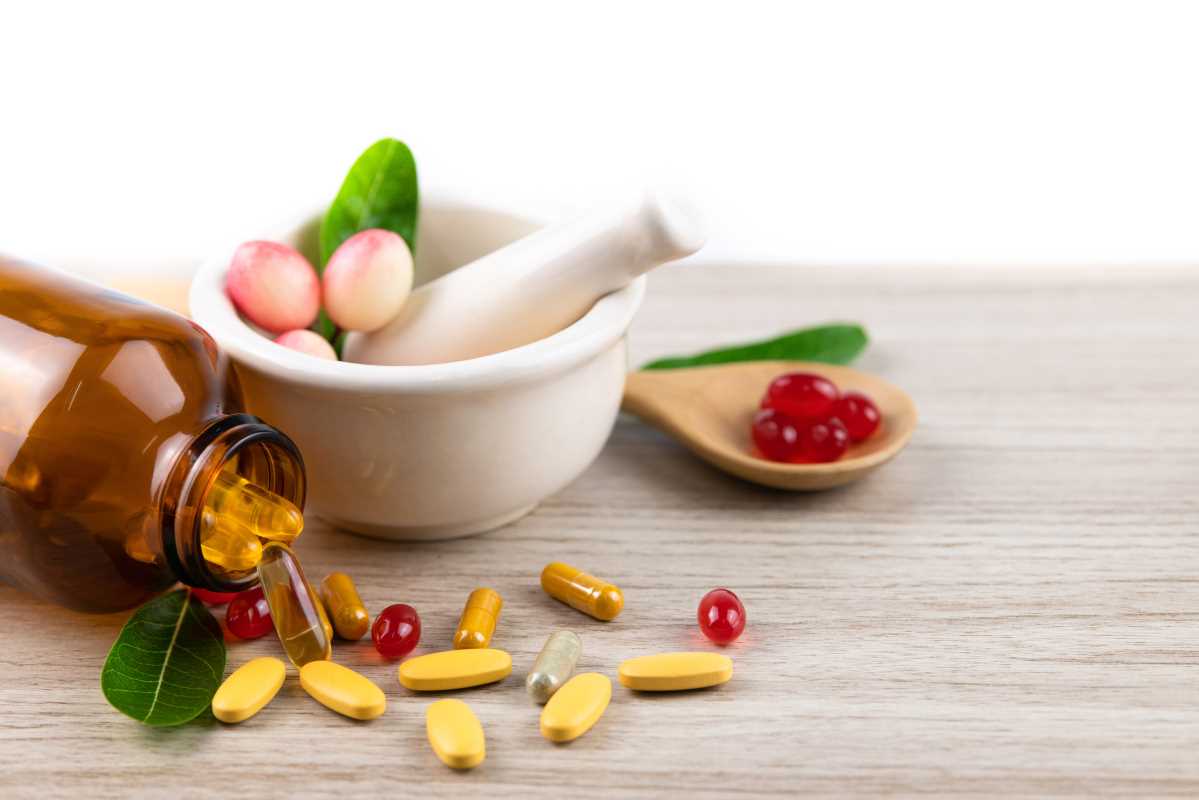
Tip: Drink orange juice with your lentil curry and add red peppers to stir-fry. Cooking in a cast-iron skillet also adds trace amounts of iron. If your levels stay low, ask your healthcare provider about taking a supplement instead of guessing.
Myth 7: Eating Soy Causes Hormone Imbalances
For years, people blamed tofu and soy milk for thyroid issues and low testosterone in men. Large-scale reviews show moderate soy intake doesn’t harm hormone levels in either men or women. These concerns started with animal studies using unrealistic doses.
Eat whole soy foods like edamame, tempeh, and miso a few times weekly to enjoy complete proteins and healthy fats. If you have thyroid concerns, maintain recommended iodine intake and mention soy in your checkup. Most people tolerate 1-2 servings of soy daily without affecting hormone balance.
Eating plants is straightforward with proper planning to meet your nutrient needs and enjoy tasty meals. When you encounter false claims online, you'll know how to find facts and adjust your diet accordingly.