 (Image via
Organizing an overland journey through remote areas often brings a mix of excitement and uncertainty. Sorting through countless details, from route selection to safety measures, can seem daunting. By dividing the planning process into straightforward, actionable steps, you can simplify each stage and approach your trip with confidence. This guide outlines nine key steps to help you build a thorough and reliable itinerary for your overland adventure. Each step ensures you address important considerations, from preparation to contingencies, so you can enjoy your journey and handle unexpected challenges with ease.
Step 1: Conduct Preliminary Research
Start by gathering information about your destination. Look into the terrain, climate, local customs, and any travel restrictions. Use reliable sources like travel blogs, government travel advisories, and guidebooks. Understanding the region’s unique challenges and opportunities helps you plan realistically and avoid common pitfalls.
Identify key points of interest and potential routes. Reach out to experienced travelers or local contacts who can provide insights. Take note of any permits or visas needed, and check the availability of services such as fuel stations, repair shops, and medical facilities. This initial research forms the foundation of your itinerary, guiding your decisions and setting realistic expectations for your trip.
Plan Your Route and Mapping
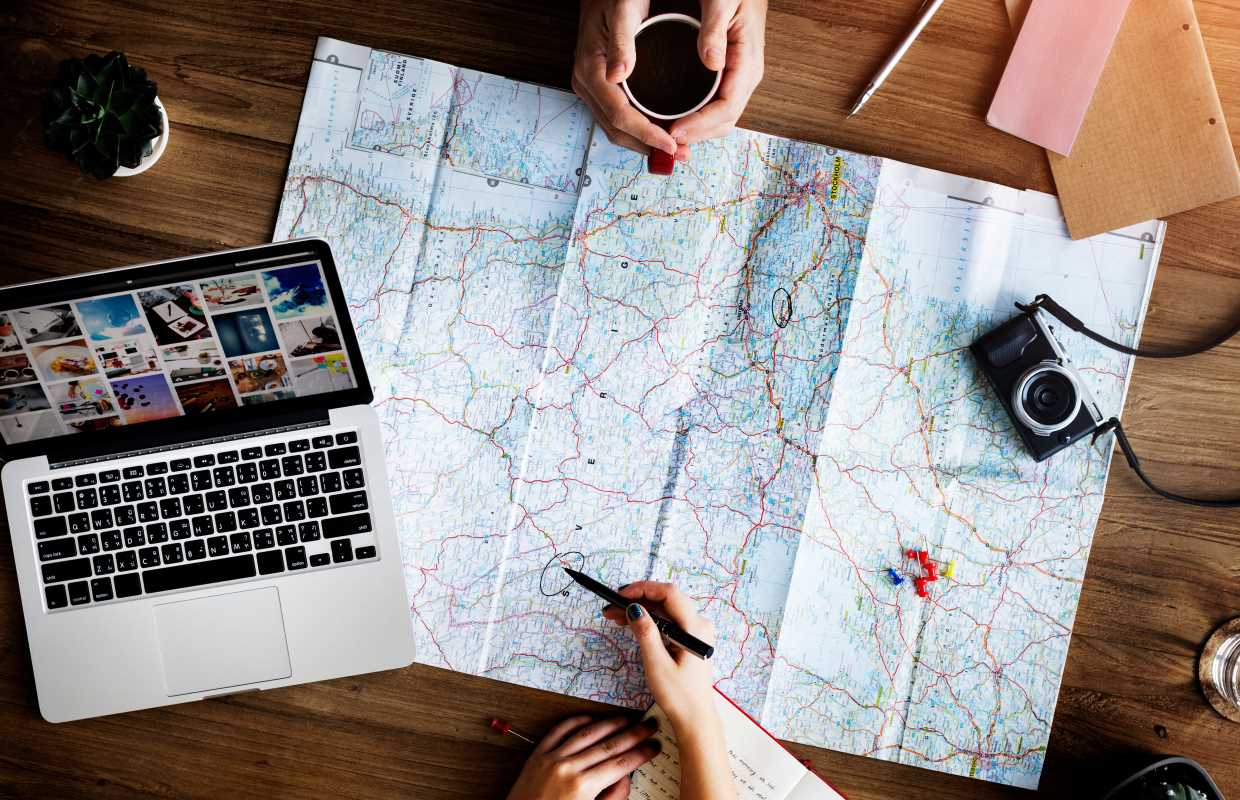
Outline your main route on a map, considering the distances between locations and the time required to travel each segment. Use detailed mapping tools or GPS apps to visualize your journey. Make sure to include alternate routes in case of road closures or emergencies.
- Identify the most accessible roads and paths suitable for your vehicle.
- Mark key rest stops, fuel stations, and points of interest.
- Plan for potential detours or side trips to explore interesting sites.
By plotting your route carefully, you can anticipate travel times and plan daily goals. This step helps prevent rushing through the landscape and gives you room to enjoy the experience without feeling hurried.
Step 3: Secure Logistics and Resources
- Arrange transportation and vehicle maintenance. Ensure your vehicle is in top condition, and have a plan for repairs or breakdowns.
- Stock up on essential supplies like food, water, spare parts, and tools. Make a checklist to track what you need and what you already have.
- Arrange accommodations or camping gear. Decide whether you'll stay in local lodges or camp along the route, and prepare accordingly.
When you plan your logistics, consider the availability of supplies in remote areas. It’s wise to carry extra provisions, especially in places where resupply options are limited. This preparation keeps your journey safe and enjoyable, reducing the risk of unexpected shortages.
Step 4: Establish Safety and Emergency Protocols
Create a safety plan that includes communication methods, emergency contacts, and procedures. Share your itinerary with friends or family, and check in regularly if possible. Carry satellite phones or emergency beacons, especially in areas with no cell service.
Plan for medical emergencies by packing a comprehensive first-aid kit and knowing basic first aid skills. Identify the nearest medical facilities along your route, and have a plan for evacuation if necessary. Preparing these protocols ensures you can respond quickly and effectively to unexpected situations, making your trip safer for everyone involved.
Step 5: Account for Cultural and Environmental Factors
Respect local customs and traditions. Learn basic phrases in the local language and familiarize yourself with cultural sensitivities. This approach fosters positive interactions and enriches your experience.
Be mindful of environmental impacts by following Leave No Trace principles. Avoid damaging fragile ecosystems, dispose of waste responsibly, and minimize your footprint. Understanding and respecting the local environment and culture helps preserve these regions for future travelers and ensures you leave a positive impression.
Step 6: Final Preparations and Packing Checklist
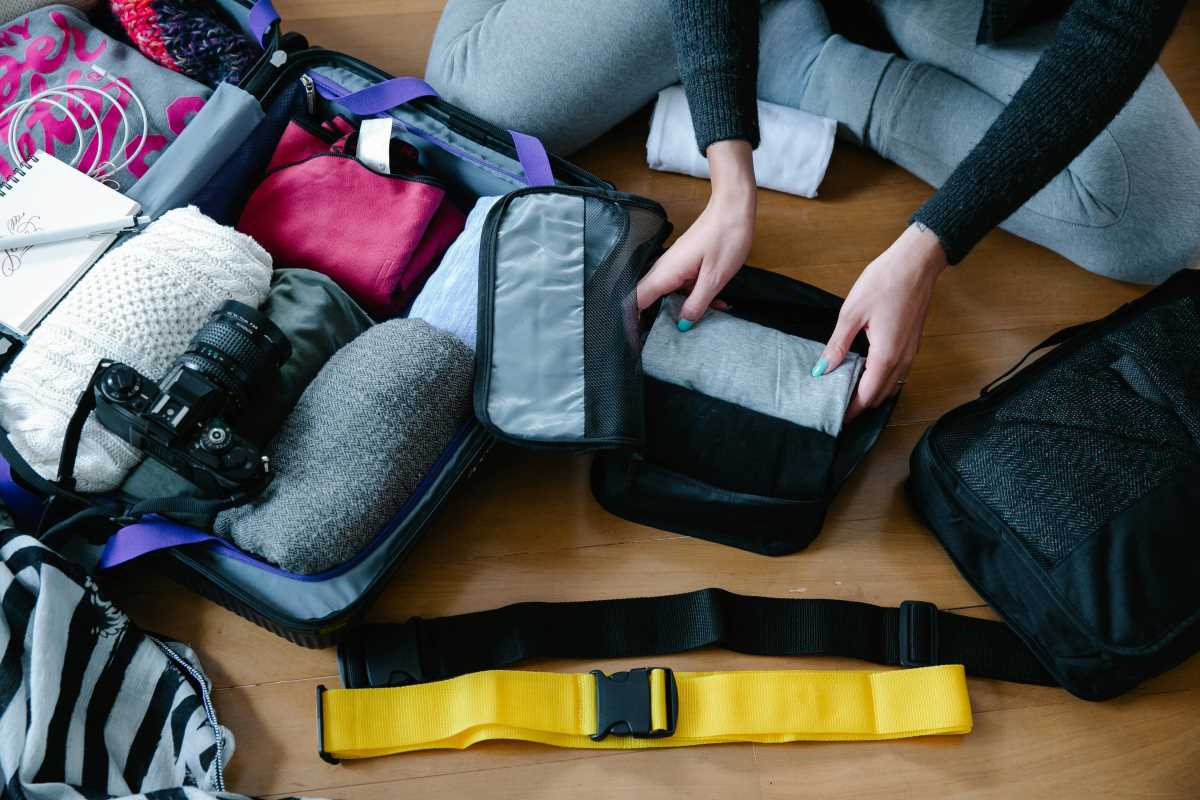
As your departure approaches, double-check your equipment and supplies. Use a packing checklist to ensure you don’t forget essentials such as navigation tools, clothing suitable for varying weather, and personal items.
- Verify all documentation, permits, and reservations.
- Test communication devices and backup power sources.
- Prepare a detailed daily plan and emergency contact list.
Proper final preparations minimize stress and help you feel confident on the road. Packing efficiently and logically ensures quick access to important items and keeps your vehicle organized throughout the journey.
Follow these steps to plan a safe and well-organized overland trip in remote areas. Prioritize safety, respect local cultures, and enjoy the adventure.



.jpeg)